

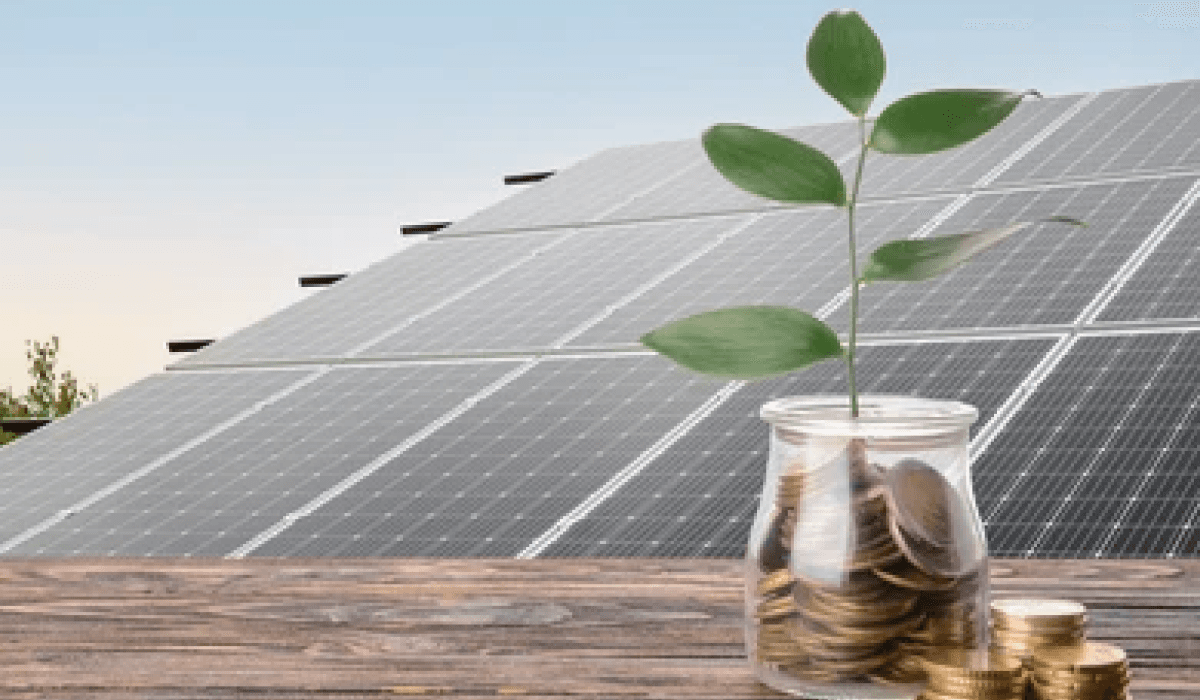
The upfront cost of a rooftop solar system is the single biggest reason most households in Lucknow and across Uttar Pradesh hesitate to go solar. A 3 kW system typically costs Rs 1.5 to 1.8 lakh after applying the PM Surya Ghar subsidy, and paying that in one shot is not easy for everyone. The good news is that a growing range of EMI options, bank loans, and NBFC schemes now make solar genuinely affordable on a monthly basis, often at an EMI that is lower than your current electricity bill. This guide explains every financing route available to UP homeowners in 2026.
Why EMI Makes Solar a No-Brainer in UP
Domestic electricity tariffs in UP have climbed to Rs 7-9 per unit in 2026, depending on your UPPCL slab. A household consuming 400 units per month can expect a bill of Rs 3,000 to 3,600 each month. A 3 kW solar system, financed over five years, typically carries an EMI in the range of Rs 1,800 to Rs 2,500, depending on the lender, interest rate, and down payment. That means from day one your monthly solar payment is lower than your current electricity bill, and after the loan closes, your electricity cost drops close to zero for the remaining 20-plus years of the system's life.
The math is compelling across cities. Whether you're in Lucknow, Kanpur, Raebareli, or Ayodhya, the combination of high tariffs and strong sunshine hours (5 to 5.5 peak sun hours per day across most of UP) means solar generates serious savings that more than cover a well-structured loan payment.
Types of Solar Financing Available in India
1. Bank Loans for Rooftop Solar
Most nationalised and large private banks now offer dedicated green energy or solar loans. SBI's Surya Shakti Loan, Bank of Baroda's Green Home Loan add-on, and Canara Bank's solar scheme are the most widely accessed in UP. Interest rates typically range from 7 to 10.5 percent per annum, and tenures of up to 7 years are available. Loan amounts cover the post-subsidy cost, so you are not borrowing for the portion the government reimburses.
To qualify you generally need a salaried or self-employed income, a credit score above 700, and ownership of the property where the panels will be installed. Processing time at banks ranges from one to three weeks.
2. NBFC and Fintech Solar Loans
Companies like Tata Capital, Mahindra Finance, Hero FinCorp, and several solar-focused fintechs offer faster-approval solar loans with tenures of 3 to 7 years. Interest rates are typically slightly higher than banks, ranging from 10 to 14 percent per annum, but the paperwork is minimal and disbursement can happen in 48 to 72 hours. Many of these lenders tie up directly with solar installers, so you can arrange finance at the point of purchase without visiting a branch. Some also offer no-cost EMI promotions for periods of 6 to 18 months where the interest is absorbed by the installer or manufacturer.
3. PM Surya Ghar Scheme Loan Integration
The PM Surya Ghar Muft Bijli Yojana, launched by the central government, provides a central subsidy of up to Rs 78,000 for systems up to 3 kW. The scheme also empowers empanelled banks to offer collateral-free loans at concessional rates for the remaining post-subsidy cost. The loan is structured so the subsidy is credited directly to the bank, reducing your principal before your first EMI kicks in. This is the cleanest financing route and At Sunwize, we recommend applying through this channel first because it keeps your interest outgo to a minimum.
4. Dealer Installment Plans
Some installers and distributors in Lucknow, Unnao, and Sitapur offer in-house installment plans, often for smaller systems (1 to 2 kW). These are not bank loans, and the implicit interest rate can be high. Read the agreement carefully and compare the total cost against a formal bank loan before committing to an in-house plan.
How to Calculate Your Real Monthly Cost
A Sample Calculation for a Lucknow Home
Suppose you install a 3 kW on-grid rooftop system priced at Rs 2.4 lakh before subsidy. After the PM Surya Ghar central subsidy of Rs 78,000, your cost is Rs 1.62 lakh. If you put Rs 30,000 as a down payment, you need a loan of Rs 1.32 lakh. At 9 percent per annum over 5 years, your EMI works out to approximately Rs 2,740 per month.
Your 3 kW system in Lucknow will generate roughly 360 to 390 units per month across the year. At Rs 8 per unit (blended tariff), that's a saving of Rs 2,880 to Rs 3,120 per month from day one. Your solar EMI is covered by the savings, and you still come out ahead every month. After 5 years the loan is paid off and your electricity effectively becomes free.
Net Metering Makes the Numbers Even Better
If you are connected to the UPPCL grid under net metering, surplus power your panels generate but you do not use is exported to the grid and credited at a set rate against future bills. This means even months when you are travelling or consumption is lower do not waste solar generation. Net metering credits pile up and reduce bills in cloudy or high-consumption months, improving your effective savings and making the EMI even easier to service.
Tips for Getting the Best Solar Financing Deal
Check Your CIBIL Score First
A score above 750 qualifies you for the lowest interest rates. If your score is between 650 and 700, an NBFC may approve the loan but at a higher rate. It is worth spending a few months improving your score before applying if you are close to a threshold.
Apply for the PM Surya Ghar Subsidy Before the Loan
The subsidy registration on the national portal must happen before installation. Once the subsidy is in place, your bank loan principal reduces, which directly lowers your EMI. Doing it in the wrong order means you may borrow more than necessary and have to claim a reimbursement later, which delays cash flow.
Compare Total Cost, Not Just EMI
A lender offering Rs 100 lower EMI over a longer tenure may cost you Rs 15,000 to Rs 25,000 more in total interest over the loan life. Always ask for the loan amortisation schedule and compare total payout across lenders, not just the monthly figure.
Use the Savings to Prepay
Most solar loans allow part-prepayment without penalty after 6 to 12 months. If your electricity bill savings exceed the EMI (which they often do in UP due to high tariffs), you can redirect the surplus toward prepaying the principal. This can cut a 5-year loan down to 3 or 3.5 years, significantly reducing total interest paid.
Who Should Finance Solar and Who Should Pay Upfront
If you have liquid savings earning less than 9 percent (the typical solar loan rate), paying upfront makes sense because it reduces your total cost. But if your savings are earning more in a fixed deposit or investment, financing preserves capital while letting the solar savings cover the EMI. For most salaried households in Barabanki, Hardoi, and similar smaller cities where large lump sums are difficult to mobilise, an EMI structure makes solar immediately accessible without waiting years to accumulate funds. The system starts saving money from month one, even before the loan is paid off.
Solar financing has matured enough in India that there is no reason to let upfront cost be a barrier. The combination of government subsidy, net metering credits, and competitive loan rates means rooftop solar in UP can deliver positive cash flow from the very first month of installation. The key is choosing the right financing channel, understanding the total cost of the loan, and ensuring the subsidy is locked in before installation begins.
Related Keywords